
Smallholder dairy farmers in Choma, Chongwe and Chibombo are experiencing significant improvements in productivity and livelihoods, thanks to targeted interventions under the Dairy Development Project. By promoting climate-smart husbandry practices, the project is equipping farmers with practical skills to enhance animal health, increase milk production, and strengthen resilience to changing environmental conditions.
During the February 2026 reporting period, over 400 farmers were re-registered and validated for Phase 2 of the project, contributing to a cumulative total of more than 800 beneficiaries. In addition, nearly 300 farmers received hands-on training in key areas such as dairy feeding, feed preservation, calf rearing, and clean milk handling. These trainings are enabling farmers to adopt more efficient and sustainable dairy farming practices.
One of the most notable outcomes has been the increase in milk production at both household and cooperative levels. On average, milk yields from local cows have doubled from 2.5 litres to 5 litres per day, while crossbreed cows are now producing up to 10 litres daily. This improvement is largely attributed to better nutrition, availability of pasture, and enhanced animal management practices introduced through the project.
The project also continues to strengthen farmer resilience through initiatives such as pasture establishment, demonstration plots, and distribution of fodder crops like mulberry. Farmers are increasingly adopting these practices, leading to healthier livestock and reduced feed costs. Monitoring visits further show improved compliance with disease control measures, including regular dipping and deworming.
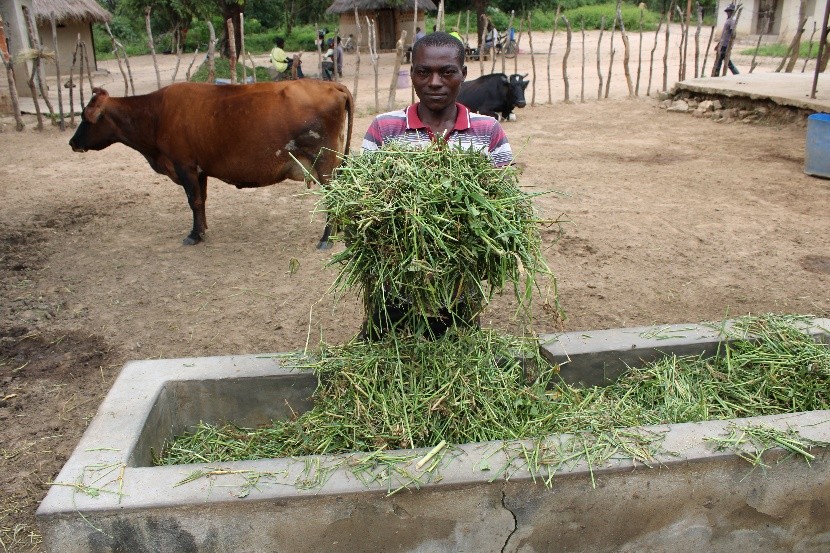
Women’s economic empowerment remains a key focus area. Savings groups are playing a vital role in enabling women to invest in dairy farming, with several groups already purchasing cows through collective savings. These efforts are fostering financial inclusion and creating sustainable pathways for income generation at the household level.
In addition, access to improved breeding services has expanded through artificial insemination and natural bull services, contributing to better livestock genetics and long-term productivity gains. To date, over 500 cows have been inseminated under the project, with ongoing support provided through trained technicians and veterinary collaboration.
The Dairy Development Project demonstrates how integrated, community-driven approaches can transform rural livelihoods. By combining training, access to resources, and continuous support, the initiative is not only increasing dairy productivity but also contributing to improved food security, income stability, and resilience among smallholder farmers.
As the project progresses, continued focus on capacity building, market linkages, and inclusive participation will be key to sustaining these gains and expanding impact across more communities.
 English