
At 48 years old, Mary Mwiimba is a devoted mother of seven and a proud grandmother of three. Living as a farmer, her days are filled with tending to her fields and caring for her family responsibilities that have always depended heavily on natural resources, especially firewood.
For years, cooking meant long walks to collect heavy logs and, often, cutting down trees just to prepare daily meals. It was exhausting, time-consuming, and slowly contributing to the loss of the surrounding environment.
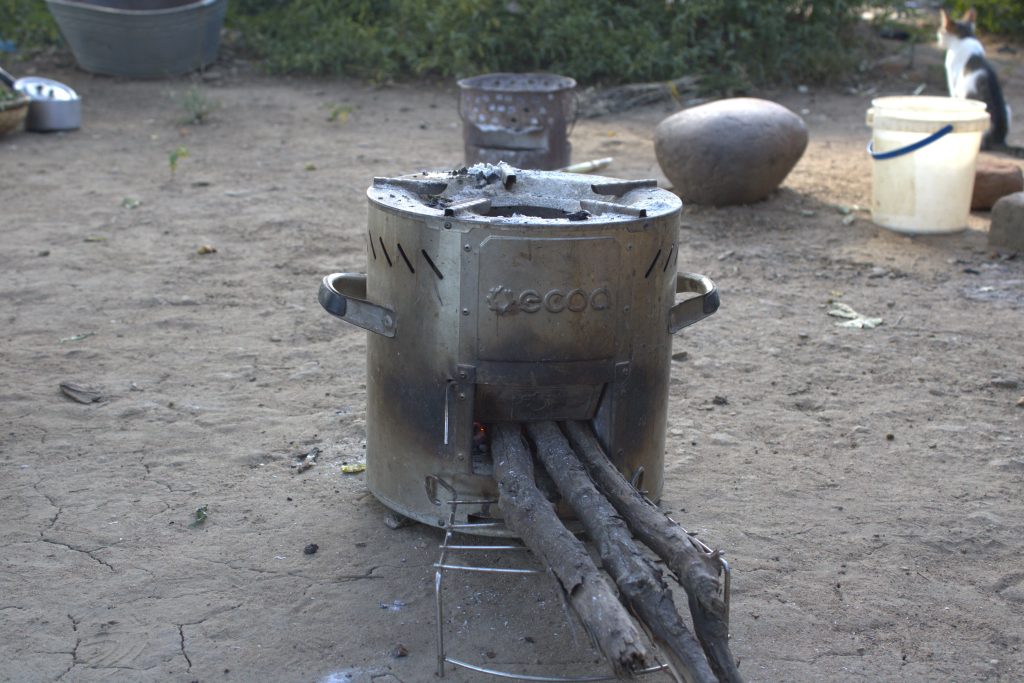
Today, Mary’s kitchen tells a different story. In her cooking area, she carefully stirs a pot of okra leaves over an energy-efficient stove one that uses small branches instead of large logs. The difference, she says, is life-changing.
“Before, we used to cut big trees just to cook,” Mary explains. “It was hard work, and we could see the trees disappearing. Now, I only use small branches, and it is enough.”
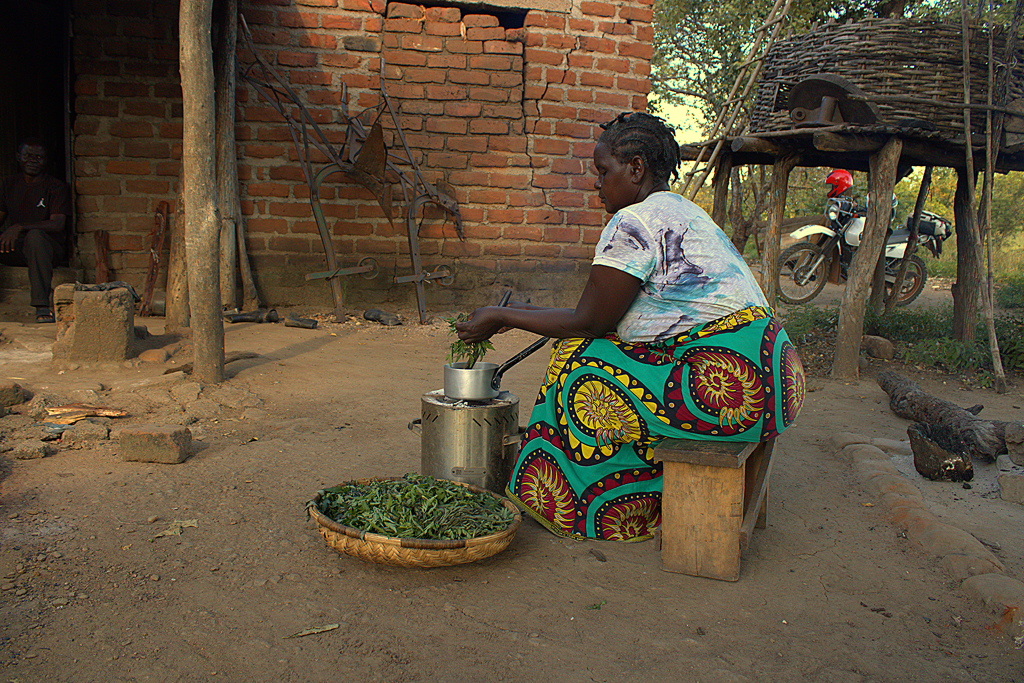
The improved stove not only reduces the amount of wood needed but also burns more efficiently, saving both time and energy. For Mary, this means fewer trips to gather firewood and more time for her family and farming activities.
“This stove has made my work easier,” she says. “I don’t spend hours looking for firewood anymore. Even cooking is faster.”
Beyond convenience, Mary is deeply aware of the environmental impact.
“We are protecting our trees now,” she adds. “If we continue like this, our children and grandchildren will still find forests here.”
As she prepares a meal for her household, the significance of this small innovation becomes clear. It is not just about cooking it is about preserving livelihoods, protecting the environment, and building a sustainable future for generations to come.
 English