Mambwe District, Eastern Province, Zambia
For years, nine-year-old Regina Banda’s world was limited by a disability that made it difficult for her to move, play, attend school, or participate in everyday activities. Living with her grandmother in Chipapa Ward of Mambwe District, Regina often watched other children from a distance while she struggled with a condition that restricted her independence and social interaction.
Today, however, Regina’s story is one of hope, resilience, and transformation.
Regina is one of the beneficiaries of the Disability Inclusive Disaster Risk Reduction and Resilience (DiDRR) Project, funded by German Federal Ministry for Economic Cooperation and Development (BMZ), supported by Christian Blind Mission CBM, and implemented by ADRA Zambia. Through the project’s community-based interventions, Regina’s life has taken a remarkable turn.
Her grandmother, who actively participated in community meetings and activities conducted under the project, recalls the challenges they faced before receiving support.
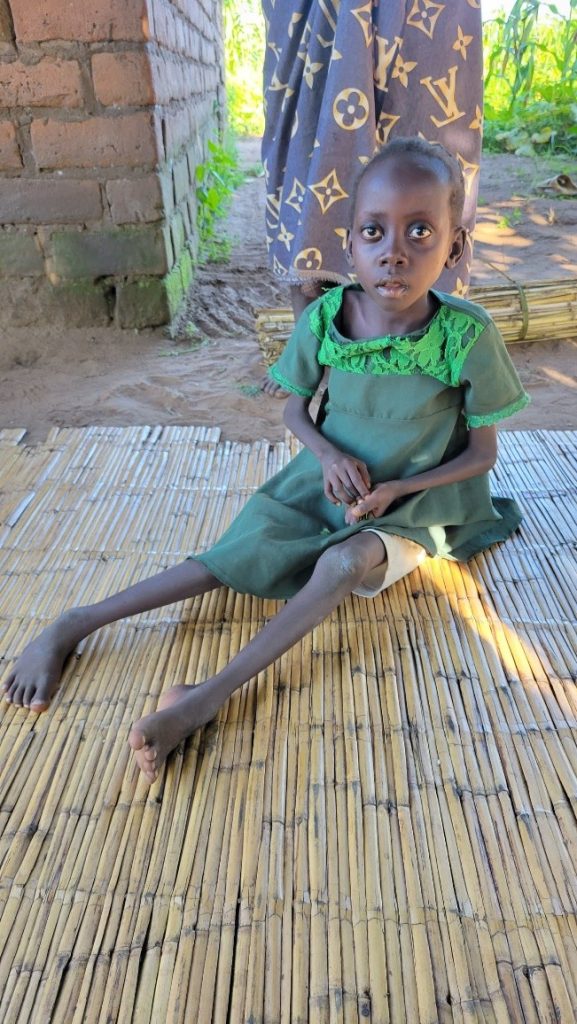
“Before Regina received treatment, she could not do many things on her own. She spent most of her time at home and rarely played with other children because of her condition,” her grandmother explains. “As a caregiver, it was painful to see her struggle and miss out on the opportunities that other children enjoyed.”
During household visits conducted under the DiDRR Project, Regina’s condition was assessed by project staff Alpha Mitambo. Recognizing the need for specialized care, the project facilitated her referral to a Hospital in Lusaka, where she received medical treatment and rehabilitation support.
The results have been life-changing.
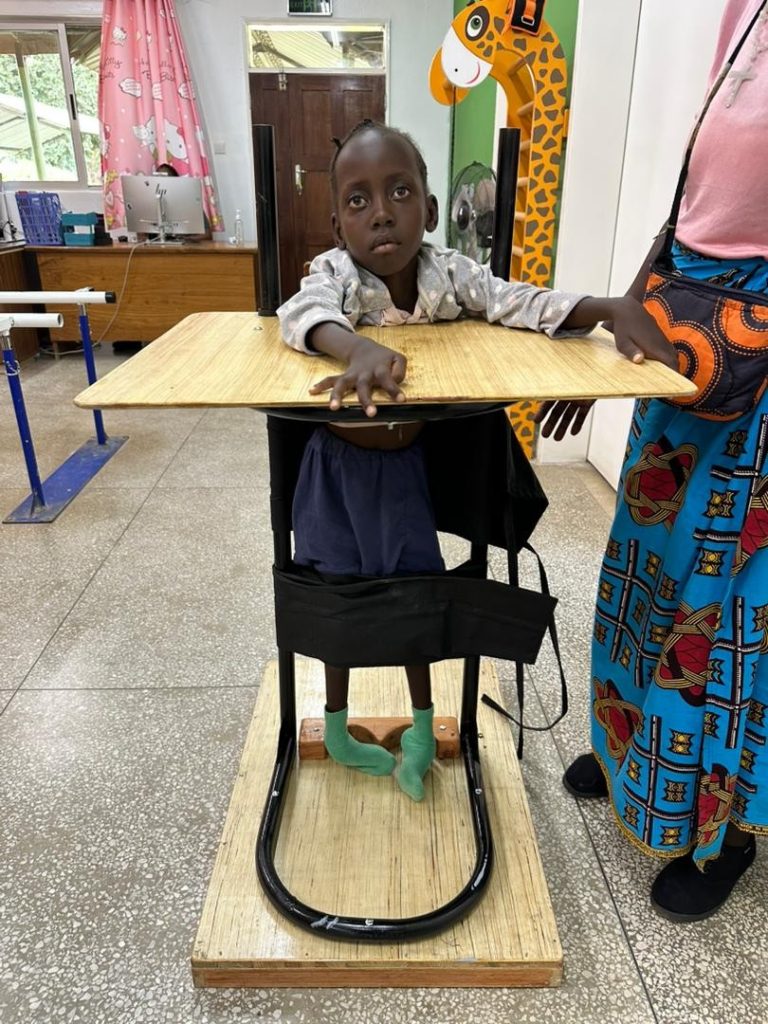
“Since returning from the hospital, Regina has improved so much,” her grandmother says with a smile. “She is now more active and can do many things that she was unable to do before. We thank God and everyone who helped make this possible.”
Although Regina’s recovery journey continues, the progress she has made is evident to everyone around her. One of the most significant milestones has been her return to school.
“I am very happy that I can now go to school like other children,” Regina says. “I enjoy learning and spending time with my friends. Before, it was difficult for me, but now I feel better and stronger.”
Her grandmother shares that Regina’s growing independence continues to amaze the family.
“When we go to work in the garden, we sometimes come back and find that Regina has prepared porridge for her younger sister,” she says. “She even helps to bathe her. These are things she could never do before receiving treatment.”
Beyond helping at home, Regina is now enjoying childhood in ways that were once impossible. She plays freely with other children in the community and participates in activities that help build her confidence and sense of belonging.
“I like playing with my friends now,” Regina says. “I don’t stay alone anymore. We play together, and I feel happy.”
For her grandmother, the changes go beyond physical improvement.
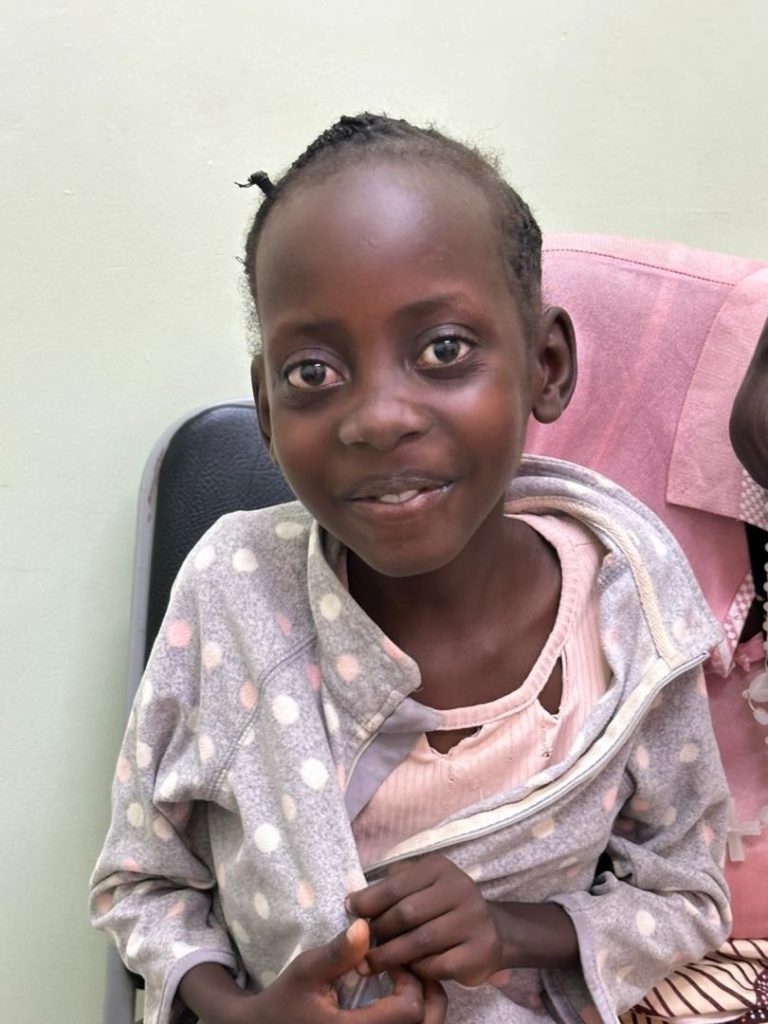
“The biggest change is seeing Regina happy,” says her grandmother. “She has confidence now. She interacts with others and wants to be involved in everything. That gives us hope for her future.”
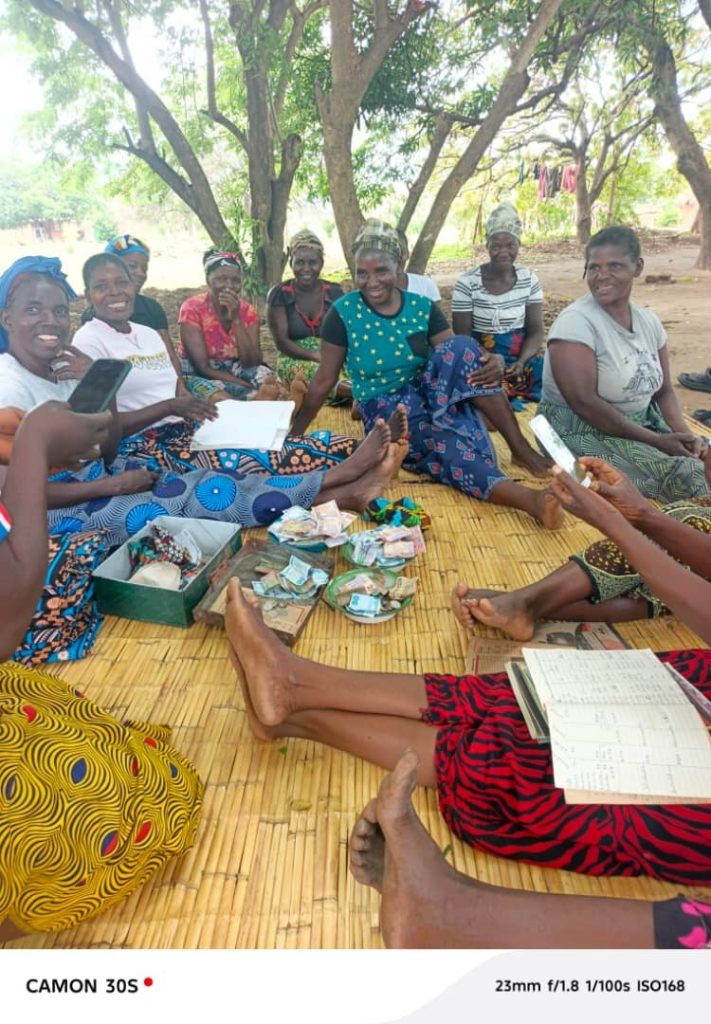
Regina’s family has also benefited from another important aspect of the DiDRR Project through the Chipapa Savings Group, where her grandmother is an active member.
The group has evolved from a traditional savings group into an emerging cooperative, demonstrating how community-driven initiatives can create lasting economic opportunities.
Members have successfully mobilized resources for cooperative registration and submitted the required documents to the Department of Small and Medium Enterprises. They are optimistic that registration will open doors to opportunities such as the Constituency Development Fund (CDF) and other government empowerment programs.
“The savings group has helped many of us improve our lives,” says Regina’s grandmother. “Through savings and loans, members have started small businesses and are earning income to support their families. It has given us confidence and hope for the future.”
Several members have established small businesses, including “tutemba” shops, enabling them to diversify income sources, meet household needs, and pay school-related expenses.
“We are working hard to become a registered cooperative,” she adds. “When that happens, we will be able to grow our businesses, access more opportunities, and improve our livelihoods even further.”
Through household assessments, referrals to specialized healthcare services, community engagement, and economic empowerment initiatives, the DiDRR Project is helping ensure that children with disabilities like Regina and their families are not left behind.
For Regina, the future now looks brighter.
“I want to continue going to school and learning,” she says. “I am happy because I can do more things now.”
Project: Disability Inclusive Disaster Risk Reduction and Resilience (DiDRR) Project
Funded by: German Federal Ministry for Economic Cooperation and Development (BMZ),
Supported by: Christian Blind Mission (CBM)
Implemented by: ADRA Zambia
Story by: Alpha Mitambo
Photos by: Alpha Mitambo
 English