In Lusaka District through the Integrated Action for Mitigating the Effects of Climate Change on the Most Vulnerable Communities (AIM Zambia) Project, ADRA Zambia, with support from the Italian Government and in partnership with Celim Zambia, Christian Blind Mission, Keepers Zambia Foundation, People in Need, and Africa Call, is working to ensure that no one is left behind.
Among those benefiting are individuals like Mary, a young woman living with a disability who had long struggled to access both social services and emotional support. For years, stigma and limited awareness meant that people like her remained invisible within their own communities. But today, that narrative is changing.
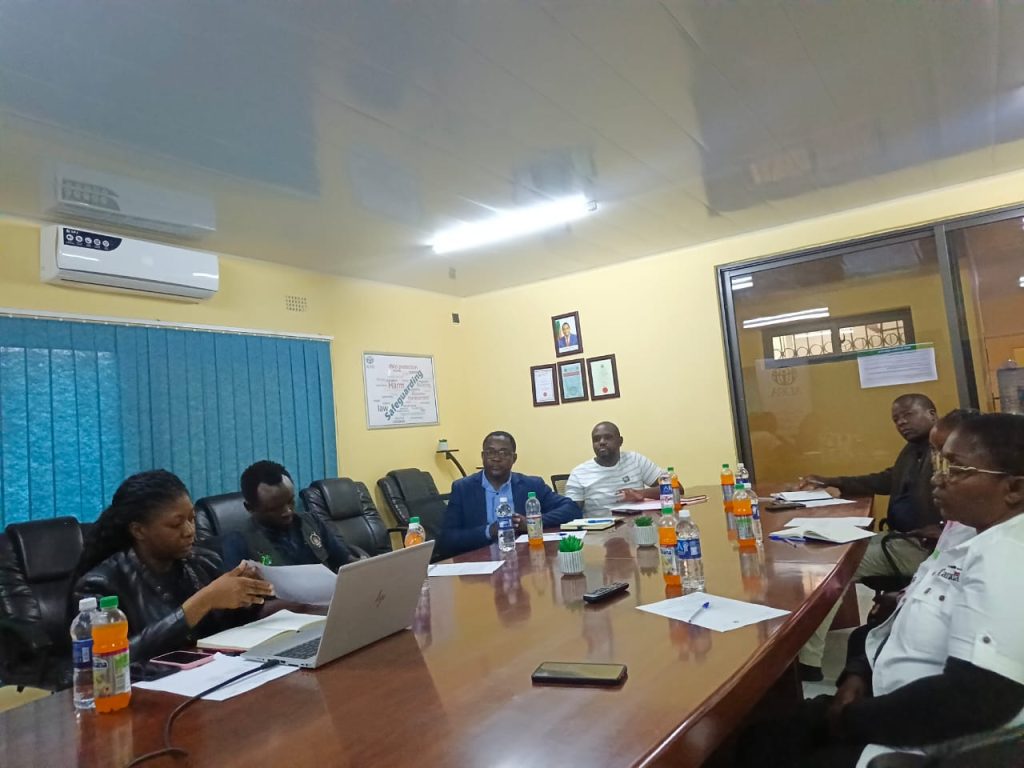
With the establishment of the Lusaka AIM Zambia Project District Task Force for Disability Inclusion, Protection, and Mental Health and Psychosocial Support (MHPSS), a coordinated system is now in place bringing together key stakeholders from the Ministry of Community Development and Social Services, Ministry of Health Zambia, Lusaka City Council, Lusaka District Administration, and organizations of persons with disabilities.
This Task Force is more than a structure it is a lifeline. It strengthens referral pathways, ensures better coordination of services, and promotes accountability to the very communities it serves. For Mary, this means access to psychosocial support, a community that understands her needs, and a renewed sense of belonging.
At the community level, trained Disability Focal Points and Mentors are playing a critical role. Equipped with skills in basic psychosocial support, they are helping to break down stigma around mental health while creating safe spaces for dialogue and healing. Through awareness campaigns and inclusive programming, communities are beginning to see ability, not limitation.
As climate shocks continue to test resilience across Zambia from Western Province to Southern Province and Central Province the AIM Zambia Project stands as a reminder that true resilience is built when everyone is included.
For Mary and many others, the journey is far from over. But with systems that listen, communities that care, and partnerships that deliver, hope is no longer out of reach it is being built, one inclusive step at a time.
 English