
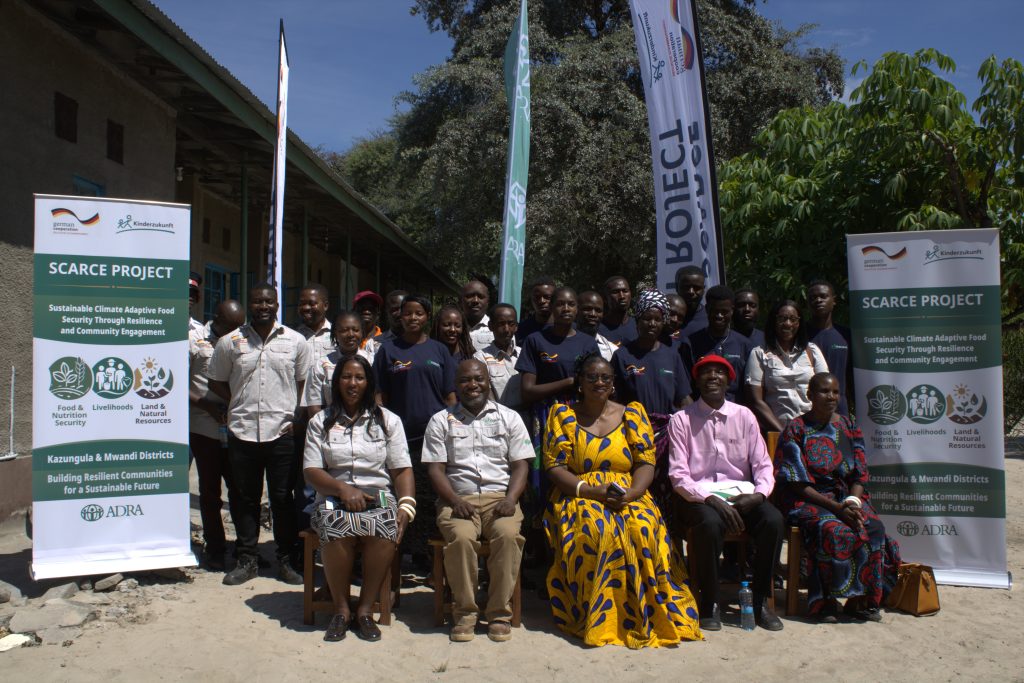
The Adventist Development and Relief Agency (ADRA) Zambia has officially launched the Sustainable Climate Adaptive Food Security through Resilience and Community Engagement (SCARCE) Project, a major initiative aimed at addressing food insecurity and strengthening climate resilience in Kazungula and Mwandi Districts.
Valued at ZMW 13,915,463, the project responds to the growing impacts of climate change, including erratic rainfall, prolonged droughts, and declining agricultural productivity, which continue to affect vulnerable rural communities.
The SCARCE Project is expected to directly benefit over 4,300 individuals, with an additional 21,000 people reached indirectly through targeted interventions in climate-smart agriculture, livelihood diversification, and sustainable land and natural resource management.
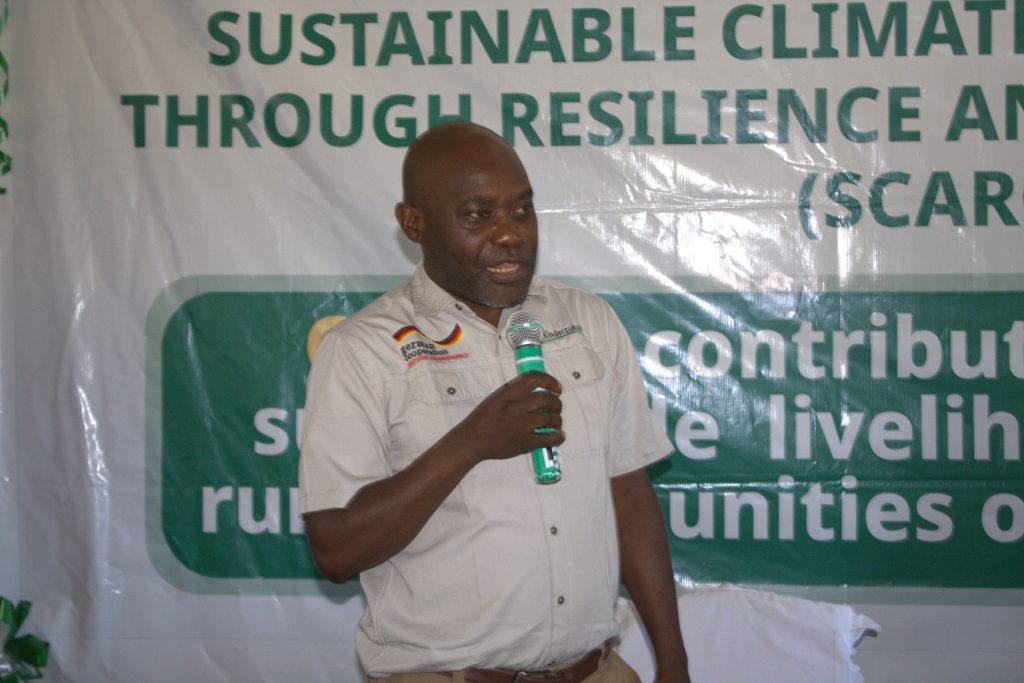
Speaking during the launch, ADRA Zambia Country Director Kennedy Habasimbi emphasized the importance of community-driven approaches:
“The SCARCE Project represents our commitment to building resilient communities that can withstand climate shocks while improving household food security and livelihoods. By empowering women, youth, and vulnerable groups, we are investing in sustainable, long-term solutions.”
Government representatives also welcomed the initiative. Kazungula District Commissioner Elias Siamibila highlighted the project’s focus on climate-smart agriculture, cooperative strengthening, and market access, while Mwandi District Commissioner Mwitumwa Sikuka reaffirmed government support for the program.
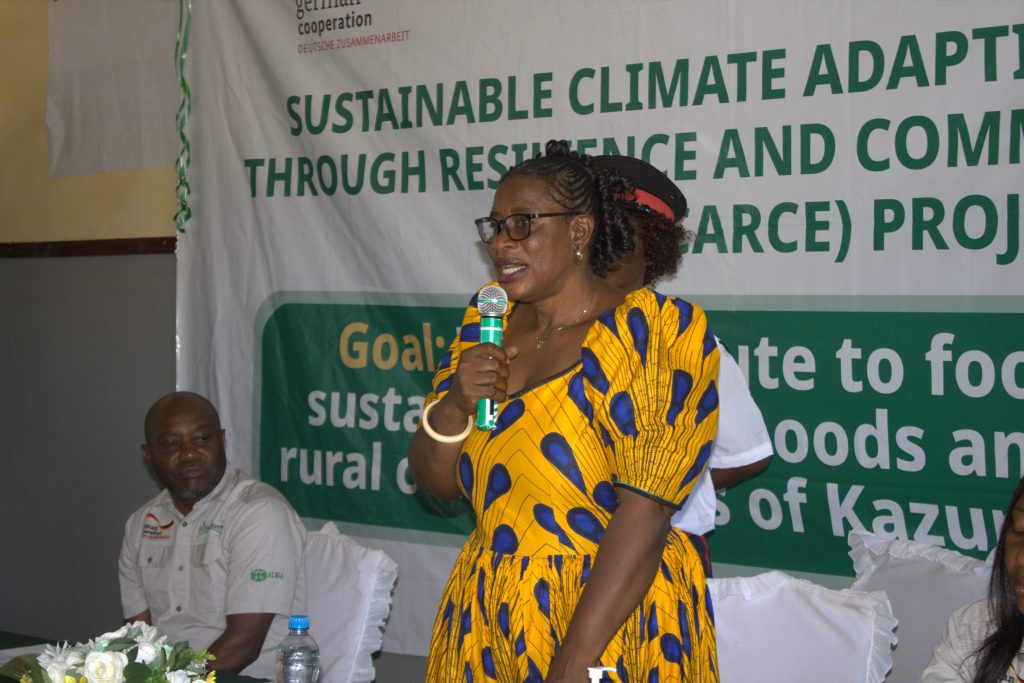
The project places strong emphasis on inclusion, ensuring active participation of women, youth, and persons with disabilities.
Implemented in partnership with the German Government and Stiftung Kinderzukunft, the SCARCE Project aligns with Zambia’s 8th National Development Plan (8NDP), contributing to national priorities on economic transformation, climate resilience, and sustainable livelihoods.
ADRA Zambia continues to reaffirm its commitment to delivering impactful and sustainable programmes that improve the well-being of vulnerable communities and ensure that no one is left behind.
 English